
Beyond Flashcards: Mastering a New Language Through Real-Life Situations
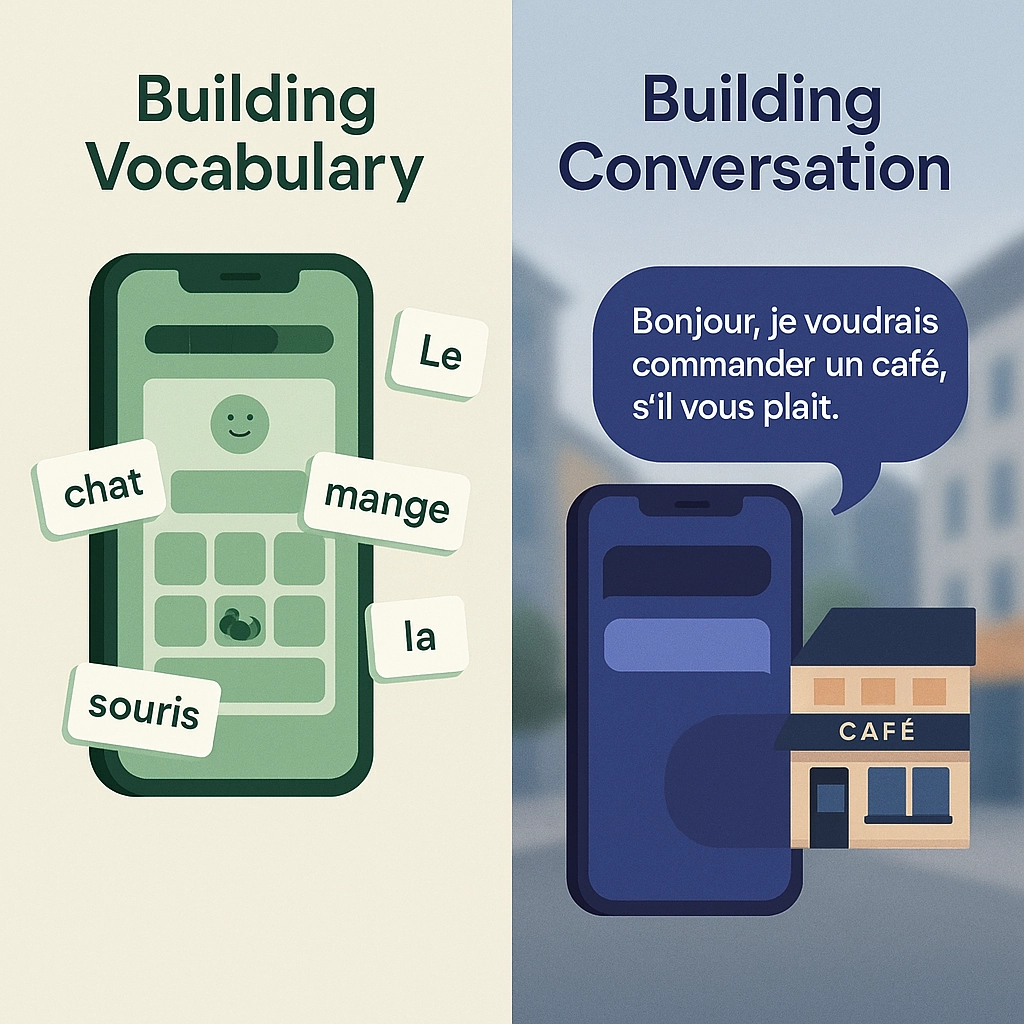
For many aspiring polyglots, the journey to language learning often begins with enthusiasm, a stack of flashcards, and a grammar book. Hours are meticulously spent memorizing vocabulary, conjugating verbs, and deciphering complex grammatical rules. Yet, despite dedicated effort and accumulating a vast lexicon, a common and deeply frustrating reality emerges: the profound inability to confidently speak a new…
How to Do Deep Work: A Practical Guide to Unlocking Your Focus Superpower
Check your email. Respond to a Slack message. Glance at a phone notification. Open a new tab to “quickly” look something up. Check your email again. Sound familiar? This is the daily reality for most of us. We live in a state of fractured attention, flitting from one low-value task to another, feeling busy but…
The Intermediate Plateau: Why You Understand a Language But Can’t Speak It (And How to Break Through)
You’ve done the work. You’ve put in hundreds of hours. You can read an article in your target language and get the gist. You can watch a Netflix show with subtitles and follow the plot. You have a robust vocabulary of thousands of words stored safely in your brain. So why, when someone asks you…
How to Actually Learn a Language in 2025: From Fearful to Fluent
The traditional methods of language learning often miss the most crucial element: speaking. You can memorize thousands of words, but if you can’t string them together in a real, live conversation, are you truly learning the language? The biggest barrier isn’t your memory; it’s the fear of opening your mouth and making a mistake. This guide…
Why You Procrastinate (And How to Stop): A Science-Backed Guide
You have an important task to do. It’s looming over you, and you know you should start. But suddenly, your phone screen becomes the most fascinating thing in the world. You decide to organize your spice rack alphabetically. You fall into a two-hour YouTube rabbit hole about the history of cheese. Anything but the thing. This…
How to Learn a Language: A Practical Guide to Fluency (That Actually Works)
Ever dream of ordering a croissant in fluent French in a Parisian café? Or understanding your favorite K-drama without subtitles? The desire to learn a new language is a common goal, but for many, it remains just a dream. We download an app, get a 10-day streak, and then… life happens. But what if you…
Scenaria vs. Duolingo: Which is Better for Speaking Skills?
If you’ve started learning a new language in the last decade, you’ve almost certainly met the little green owl. Duolingo has gamified language learning for millions, making it fun and accessible to build a foundation of vocabulary and grammar. It’s a fantastic starting point. But then you hit the wall. You know hundreds of words,…
Best AI Conversation Partner for French Language Practice
You’re learning French. You can read it, you’ve memorized the gender of a hundred nouns, and you know the difference between passé composé and imparfait. But when it comes to actually speaking it? That’s a different story. You try to order a coffee in your head (“Je… voudrais… un… café?”), but it feels clumsy. The thought of speaking to a…
How to Practice Speaking Spanish When You Have No One to Talk To
You’ve done the work. You’ve spent hours on Duolingo, filled notebooks with verb conjugations, and can probably identify a dozen different fruits in Spanish. You know the words. But then, the moment of truth comes. You try to form a sentence out on your own, and… silence. The words get stuck. The grammar feels like a tangled…




How to practice a new language by chatting with AI?
Step 1: Pick Your Scenario
Start by choosing a real-world situation from the Scenaria.ai app. For example: “Ordering coffee at a café” or “Asking for directions to the museum.”
Each scenario helps you practice language in a realistic, contextual setting—so your learning feels natural and relevant.
Step 2: Chat & Engage
Dive in! Speak or type your responses. Don’t worry about perfection; focus on getting your message across. AI provides a low-pressure space to experiment and build speaking confidence.
Step 3: Learn from Feedback
Pay attention to the AI’s corrections or suggestions for better phrasing. Immediately try applying the feedback to refine your grammar, vocabulary, and pronunciation for more natural conversational fluency.
Step 4: Explore New Situations
Once comfortable, switch it up! Practice different scenarios like job interviews, airport check-ins, or casual chats about hobbies. Diverse scenario-based practice ensures you’re ready for anything.