Feeling overwhelmed by all the choices when searching for the best app to learn French? You’re definitely not alone. With so many new apps popping up in 2025, picking the right one can feel like finding a needle in a haystack.
That’s why we’ve done the heavy lifting for you. In this guide, you’ll discover the top 7 best apps to learn French, each carefully selected for their proven results, innovative features, and real-world effectiveness.
We’ll break down what makes each app stand out, including pricing, unique tools, pros and cons, and who they’re perfect for. Ready to find your perfect match?
What Makes a Great French Learning App in 2025?
The search for the best app to learn french in 2025 is a whole new adventure compared to just a few years ago. Language learners expect more than just digital flashcards or generic quizzes. What’s really setting the top apps apart is their use of adaptive, AI-powered experiences. Imagine an app that actually listens to how you speak, pinpoints your mistakes, and tailors lessons on the fly. This level of personalization is a game-changer. In fact, AI’s Impact on Language Learning Apps shows how these smart features are making apps more engaging and effective than ever.
Adaptive, AI-Powered Learning: The New Standard
Today’s learners crave a journey that adapts to their pace and needs. The best app to learn french doesn’t just serve up one-size-fits-all lessons. Instead, it uses AI to adjust difficulty, highlight your weak spots, and mix up the content so you never get bored. This means you’re always challenged, but never overwhelmed. With over 70% of language learners preferring interactive speaking features, it’s clear that smart, adaptive tools are now essential for real progress.
Real Conversations, Not Just Flashcards
Let’s be honest, memorizing endless vocab lists gets old fast. The best app to learn french in 2025 is all about immersion and real-life dialogue. Apps like Scenaria and French Together put you right in the middle of real conversations, letting you practice speaking and listening as if you’re chatting with a native. This approach helps you think in French, not just translate in your head. You’ll pick up slang, cultural cues, and natural phrasing that textbooks just can’t teach.
Feedback, Progress, and Personalization
Instant feedback is a non-negotiable feature for the best app to learn french. Real-time corrections on pronunciation, grammar, and vocabulary help you fix mistakes before they become habits. Apps like Busuu and Babbel offer personalized progress tracking, so you can see exactly how far you’ve come and where to focus next. Balancing grammar, vocabulary, pronunciation, and cultural context in every lesson means you’re building a well-rounded skill set, not just ticking boxes.
Accessibility, Balance, and What Top Apps Get Right
A great French learning app isn’t just smart, it’s flexible too. The best app to learn french lets you pick up lessons on your phone, work offline, and squeeze in practice during a coffee break or commute. Flexible lesson lengths, mobile-first design, and bite-sized activities keep things stress-free. In the end, what really matters is a blend of engaging technology, proven learning methods, and real-world relevance. The apps that nail this combo are the ones that help you stick with it and see real results.
Top 7 Picks for the Best App to Learn French in 2025
Looking for the best app to learn french in 2025? You’re in the right place. With so many choices, finding an app that fits your style, goals, and budget can feel overwhelming. That’s why we’ve handpicked these seven standout apps—each designed to make your french learning journey effective, fun, and tailored to real-life needs. Whether you want immersive conversations, structured lessons, or audio-based practice, this list has something for every learner.
Scenaria
Scenaria is a rising star when it comes to the best app to learn french in 2025. Its freemium model is available on both the App Store and Google Play, with premium features unlocked through subscription. The app’s magic lies in its AI-powered, voice-first conversations that simulate real-world scenarios. You can create custom situations, practice with instant pronunciation and grammar feedback, and track your progress through gamified levels.
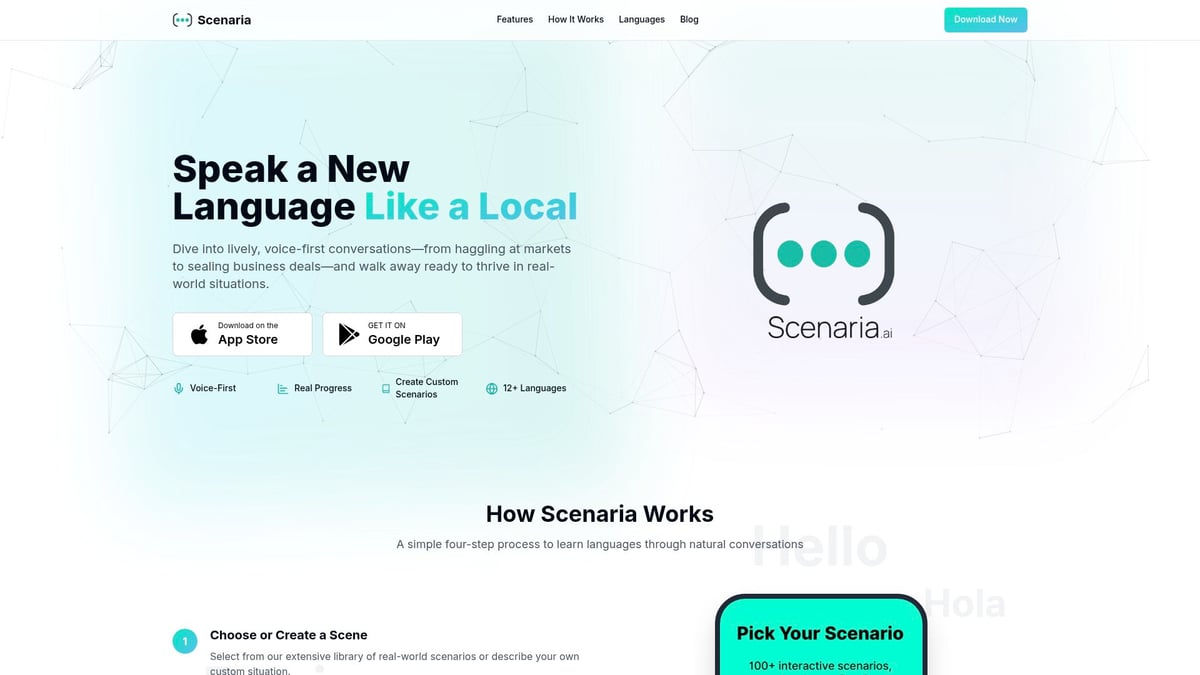
What sets Scenaria apart is its focus on authentic fluency. You get exposure to different french accents, cultural nuances, and everyday conversations, making it perfect for travelers, professionals, students, or anyone wanting to sound like a native.
Pros:
- Personalized, adaptive lessons that respond to your accent and goals
- Covers 12+ languages, including robust french support
- Instant feedback helps you fix mistakes right away
Cons:
- No official pricing listed
- Some advanced features require a subscription
Example: Imagine practicing for a trip to Paris—Scenaria lets you role-play ordering food, asking for directions, or handling hotel check-ins with AI that sounds like a real french local.
Want to dive deeper into how AI can boost your speaking skills? Check out this best AI conversation partner for French guide for more insights.
Babbel
Babbel is a classic contender for anyone searching for the best app to learn french on a budget. With plans starting at €53.94 for six months or €299.99 for lifetime access, it’s an affordable choice for beginners and intermediate learners alike.
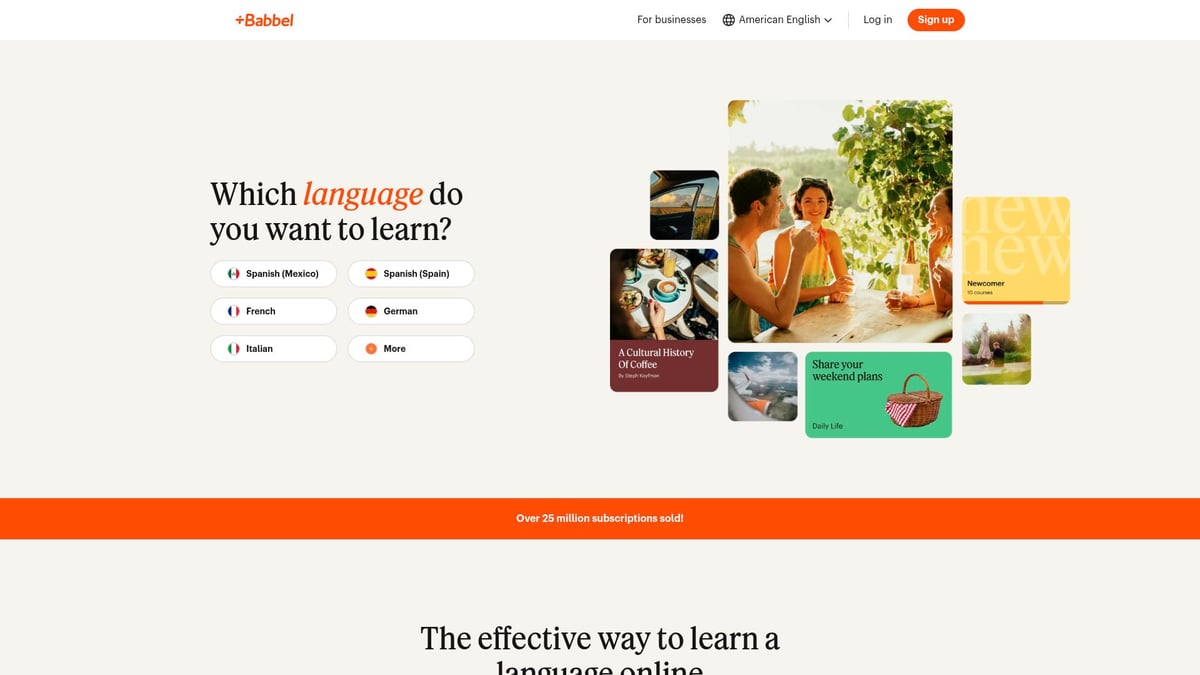
Lessons are bite-sized—around 10 minutes each—making them easy to fit into your day. Babbel’s mix of listening, speaking, reading, and writing exercises keeps things fresh, while grammar and cultural tips help you avoid common mistakes.
Pros:
- Practical vocabulary for real-life situations
- Clear lesson structure and review sessions
- Affordable pricing options
Cons:
- No dialogue transcripts for reference
- Live classes cost extra
- Can’t slow down audio playback
Example: You might use Babbel to practice a restaurant conversation, picking up key phrases and then reviewing them with fun games to cement your memory.
French Together
If your priority is speaking and listening, French Together could be the best app to learn french for you. Priced at $24/month or $144/year (with a 7-day free trial), this app is all about helping you master real-life french conversations quickly. It features native speaker audio, an AI-powered pronunciation checker, and dialogues that can be played at natural or slow speeds.
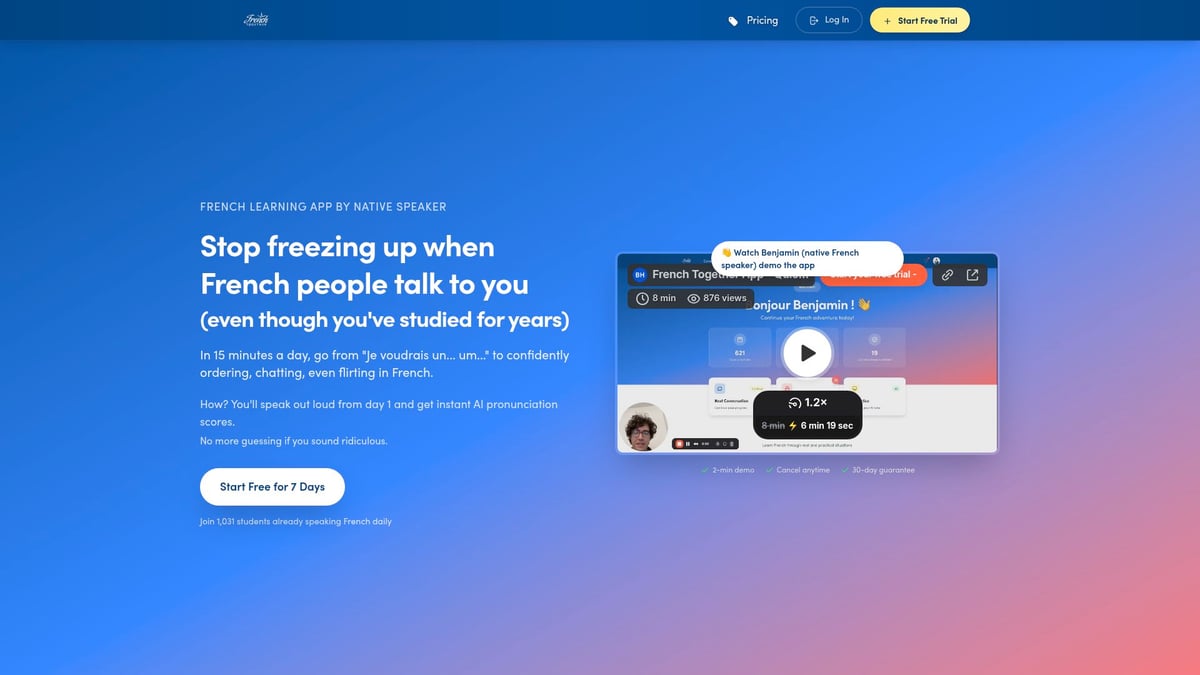
French Together is ideal for learners who want to start chatting confidently, without getting bogged down in textbook grammar. You’ll get feedback on your pronunciation and exposure to different accents, so you sound more natural from day one.
Pros:
- Authentic dialogues based on everyday situations
- Adjustable listening speeds for different skill levels
- Strong focus on pronunciation
Cons:
- Limited grammar and advanced vocabulary
- Minimal reading and writing exercises
Example: Picture yourself listening to a native conversation at regular speed, then switching to slow mode to catch every word and get instant feedback on your own speaking.
Busuu
Busuu is a strong pick for learners who like structure and community. This subscription-based app (pricing varies by region) combines personalized learning plans with grammar lessons, audio/video practice, and feedback from native speakers in the Busuu community.
If you’re looking for the best app to learn french that also offers peer review, Busuu stands out. You’ll get clear grammar explanations, lessons organized in logical progressions, and the chance to record your pronunciation for real corrections.
Pros:
- Comprehensive coverage of grammar, vocabulary, and culture
- Community feedback helps you learn from real people
- Lessons fit everyday situations
Cons:
- Limited conversation practice in the free version
- Some features locked behind premium
Example: After completing a lesson on introductions, you can record your greeting and get feedback from a fluent speaker—making sure you sound just right.
Pimsleur
For those who learn best by listening, Pimsleur is often recommended as the best app to learn french through audio. Priced at $20/month or $150 per level, Pimsleur offers 30-minute audio lessons that focus on pronunciation and real conversational skills. The app now includes visual review tools, but its strength remains in spaced repetition and hands-free learning.
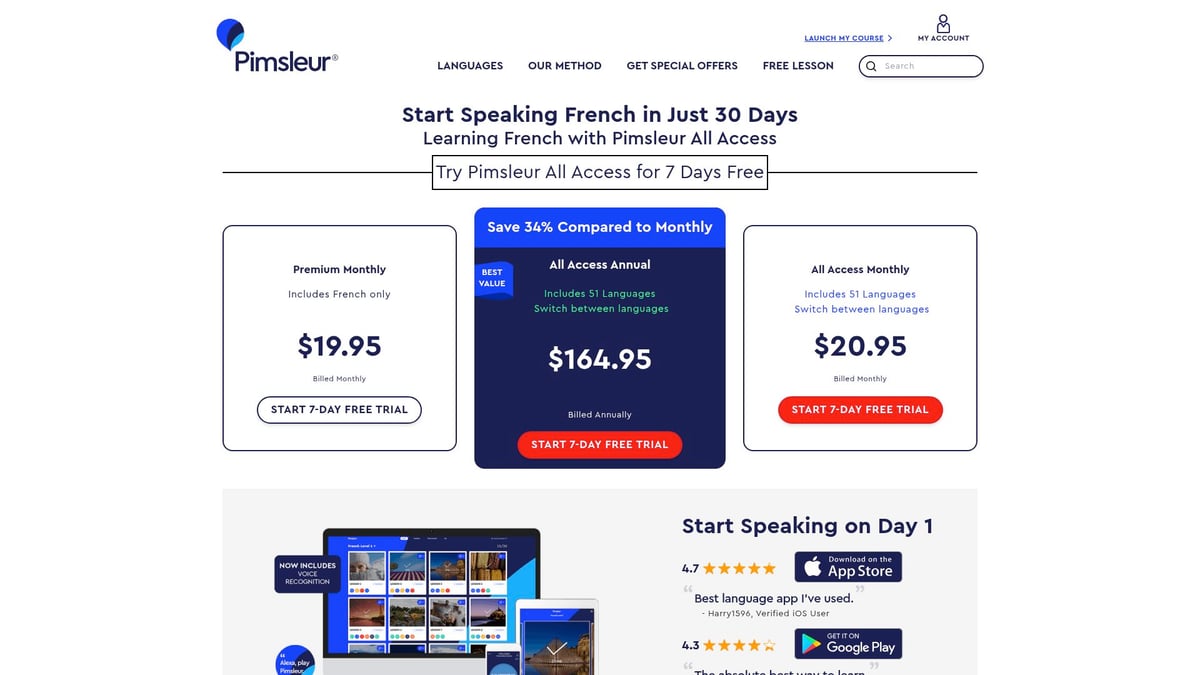
Pimsleur is perfect for commuters or anyone who wants to make the most of downtime. The method is proven—repeat, recall, and build up your speaking confidence gradually.
Pros:
- Strong focus on listening and pronunciation
- Flexible for on-the-go learning
- Effective repetition techniques
Cons:
- Limited visuals and grammar explanations
- No transcripts in the basic version
- Vocabulary can be formal
Example: Listen to a lesson while driving, repeat phrases aloud, and notice your pronunciation getting sharper with each session.
FluentU
FluentU is the best app to learn french for visual learners and those craving real-world content. At $29.99/month or $143.99/year, FluentU turns YouTube videos, movie clips, and news into interactive lessons. Subtitles are clickable, so you can see instant translations and save tricky words for later review.
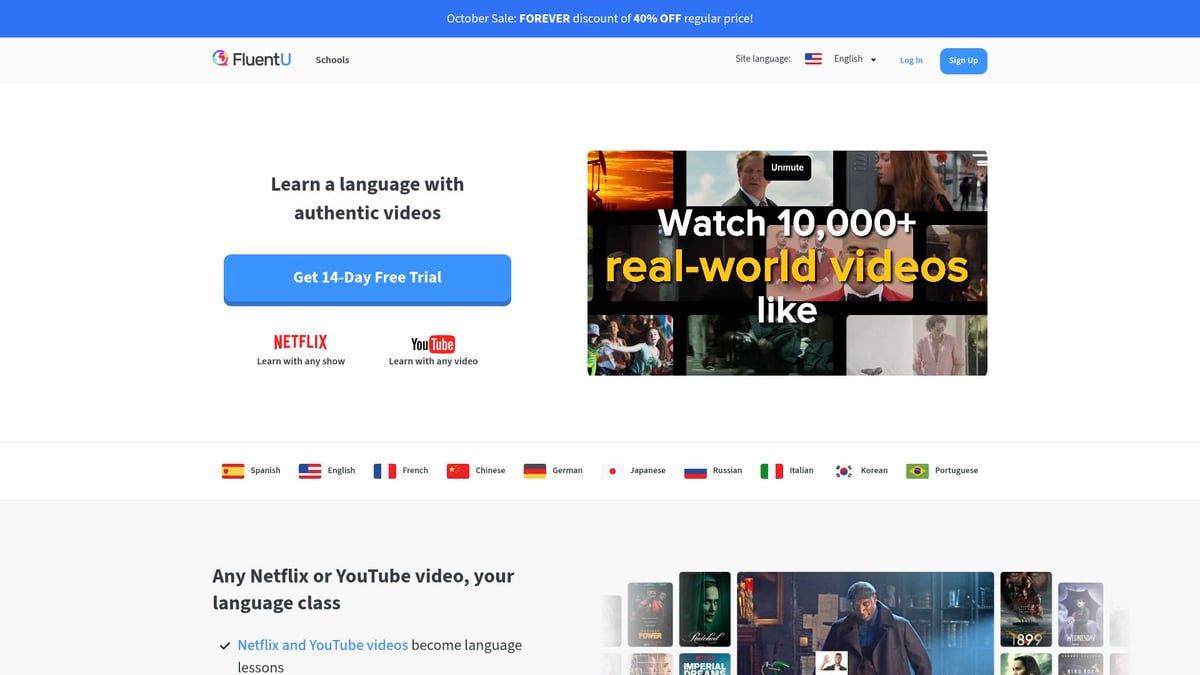
The app covers a wide range of topics and difficulty levels, making it great for intermediate and advanced learners who want to expand vocabulary in context.
Pros:
- Immersive exposure to authentic content
- Accurate, interactive subtitles
- Diverse video library
Cons:
- Limited grammar instruction
- No speaking or writing practice
Example: Watch a French cooking show, click unfamiliar words for a quick definition, and build your vocabulary while enjoying native content.
Langua
Langua is a hidden gem for intermediate and advanced learners seeking the best app to learn french through conversation and listening. The free version offers limited access, while paid plans unlock unlimited features and annual discounts.
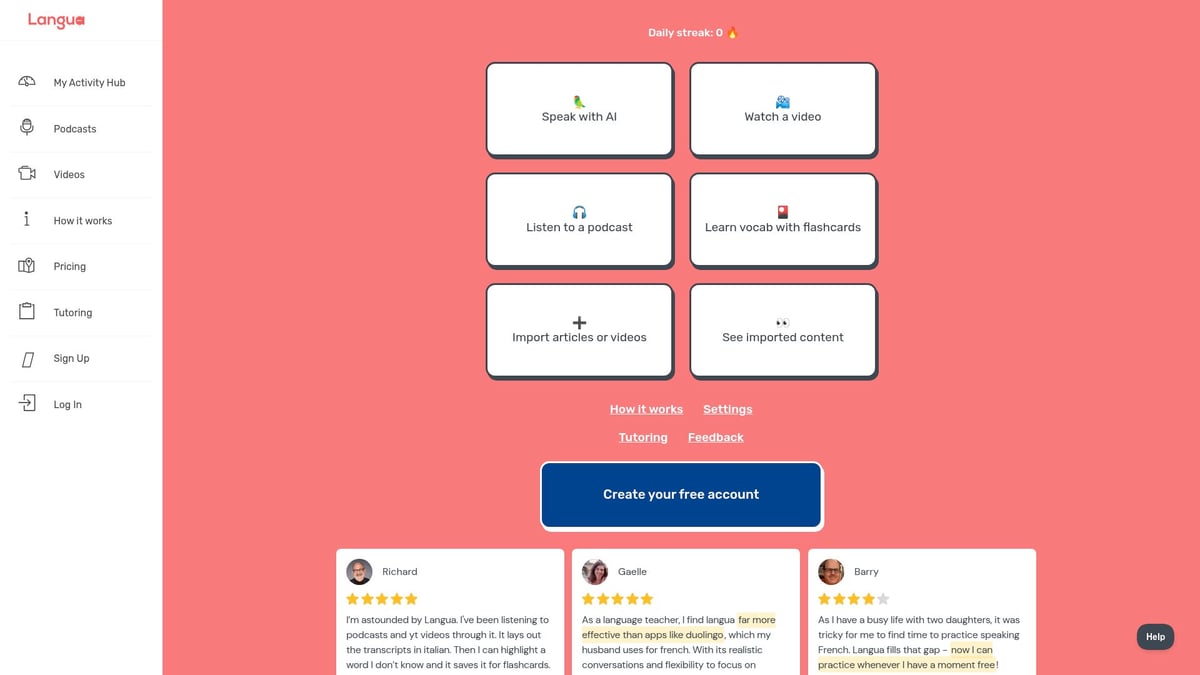
Langua’s standout feature is its AI chatbot, which lets you role-play conversations on customizable topics. You can also explore podcasts and videos with transcripts and translations, plus generate personalized stories for extra practice.
Pros:
- Flexible conversation practice with AI
- Visual and auditory learning options
- Male and female voice choices
Cons:
- Not ideal for beginners
- Limited explicit grammar and vocab instruction
- Occasional AI errors in stories
Example: Choose a topic like “job interview,” chat with the AI, and then review key vocabulary from a related podcast.
Comparison Table: Best Apps to Learn French in 2025
| App | Best For | Price Range | Standout Feature |
|---|---|---|---|
| Scenaria | Authentic conversation | Freemium, subscription | AI voice-first practice |
| Babbel | Beginners, budget | €53.94–€299.99 | 10-min structured lessons |
| French Together | Speaking, listening | $24–$144/year | Native audio, AI feedback |
| Busuu | Grammar, community | Varies by region | Native peer feedback |
| Pimsleur | Audio learners, commuters | $20/mo, $150+/level | 30-min audio lessons |
| FluentU | Visual, contextual learning | $29.99/mo, $143.99/yr | Interactive subtitles |
| Langua | Advanced conversation | Free/paid plans | AI chatbot role-play |
With so many options, the best app to learn french is the one that keeps you motivated, fits your lifestyle, and helps you reach your goals. Try out a few, explore their features, and see which app makes french learning feel like an adventure instead of a chore.
How to Choose the Right French Learning App for You
Feeling overwhelmed by the sheer number of options when searching for the best app to learn french? You’re definitely not alone. With so many choices, finding the perfect fit can feel like picking a needle out of a haystack.
Know Your Learning Style and Goals
Start by asking yourself: How do you learn best? Are you someone who loves listening to audio lessons on the go, or do you prefer interactive conversations and speaking practice? Maybe you thrive with visuals, videos, or reading. Identifying your learning style is crucial in narrowing down the best app to learn french for your unique needs.
Next, think about your goals. Are you aiming for full fluency, prepping for a trip, or just want to chat with friends? Do you need business vocabulary, exam prep, or everyday phrases? Matching your goals to an app’s strengths will save you time and frustration. If you want more future-focused advice, check out this article on how to learn a language in 2025.
Compare Features and Budget
Once you know what you want, compare what each app offers. Some apps focus on grammar depth and pronunciation tools, while others provide community support or rich cultural content. Do you need offline access? Are you interested in gamified progress tracking or real-world conversations?
Budget is another big factor. The best app to learn french for you might be a free version with basic features, a monthly subscription, or even a lifetime access deal. Don’t forget to factor in any extra costs for live classes or premium content.
Here’s a quick comparison table:
| Feature | Must-Have? | Nice-to-Have? |
|---|---|---|
| Audio Lessons | ✔️ | |
| Speaking Practice | ✔️ | |
| Grammar Depth | ✔️ | |
| Community Support | ✔️ | |
| Offline Access | ✔️ |
Test, Switch, and Stay Motivated
Most apps offer free trials or basic versions, so take advantage and test a few before making a commitment. Remember, 65% of users switch apps within 30 days if the app doesn’t match their learning style. Don’t be afraid to try and switch until you find the best app to learn french that keeps you motivated and engaged.
If you’re a beginner, Babbel or French Together might be perfect. More advanced? FluentU or Langua could be your match. The right choice is the one that fits your lifestyle, keeps you coming back, and helps you make real progress.
Essential Features to Look for in a French Learning App
Finding the best app to learn french in 2025 is all about knowing what features actually make a difference. With so many options, it’s easy to feel overwhelmed. Let’s break down the must-haves so you can spot a winner right away.
What to Look for in the Best App to Learn French
Here’s a quick checklist of essential features every top app should offer:
| Feature | Why It Matters | Example App |
|---|---|---|
| Adaptive AI Learning | Personalizes lessons to your progress | Scenaria |
| Real-Time Feedback | Corrects mistakes instantly | Busuu |
| Native Speaker Audio | Improves pronunciation and listening | Babbel |
| Interactive Exercises | Keeps you practicing all language skills | Most top apps |
| Authentic Content | Teaches real-world French | FluentU |
| Gamification | Makes learning fun and motivating | Scenaria |
| Community Support | Get feedback from real people | Busuu |
| Offline/Mobile Access | Learn anytime, anywhere | Pimsleur |
These features set apart the best app to learn french, making your study sessions more productive and enjoyable.
Adaptive AI and Real-Time Feedback
One of the biggest game-changers in the best app to learn french is adaptive, AI-powered learning. Apps like Scenaria use AI to adjust lessons based on your strengths and weaknesses, while instant feedback helps you fix pronunciation or grammar on the spot.
If you love practicing your speaking, you’ll want an app that doesn’t just give you flashcards, but actually lets you hold real conversations. For a deeper dive into how these features stack up, check out this Scenaria vs Duolingo speaking skills comparison.
Authentic Content, Community, and Motivation
The best app to learn french doesn’t just teach vocabulary, it drops you into real French life. Authentic videos, native audio, and cultural notes help you sound natural, not robotic.
Community features like peer review and discussion forums add a human touch, letting you practice with both AI and real people. Gamification is huge too, boosting motivation. In fact, apps with gamified elements see 30% higher retention rates, so those badges and streaks really do work.
Staying motivated and seeing progress is key. Apps like Scenaria and Busuu track your achievements, offer offline access, and let you set flexible goals so you can fit French into your busy life.
Wrapping Up
When searching for the best app to learn french, make sure it checks all the boxes: adaptive learning, instant feedback, native audio, real-life content, and a supportive community. Try a few, see which style keeps you coming back, and remember, the right features make all the difference in reaching your language goals.
So, we’ve explored what really matters in a French learning app—things like real conversations, instant feedback, and features that actually fit your life. If you’re ready to put those ideas into action and want to sound like a local (not just memorize vocab), why not take the next step? With Scenaria, you can practice your French in real-life scenarios, get quick feedback, and see real progress. It’s all about making learning natural, fun, and totally personalized. Curious? Go ahead and Download Now to start your journey to real French fluency!